
10+
Years Of Experience
Standalone Buildings Designed for Specific Uses
Specialty Structures: Garages & Sheds in Taylors, SC, for properties needing dedicated storage, workshop space, or vehicle protection separate from the main home
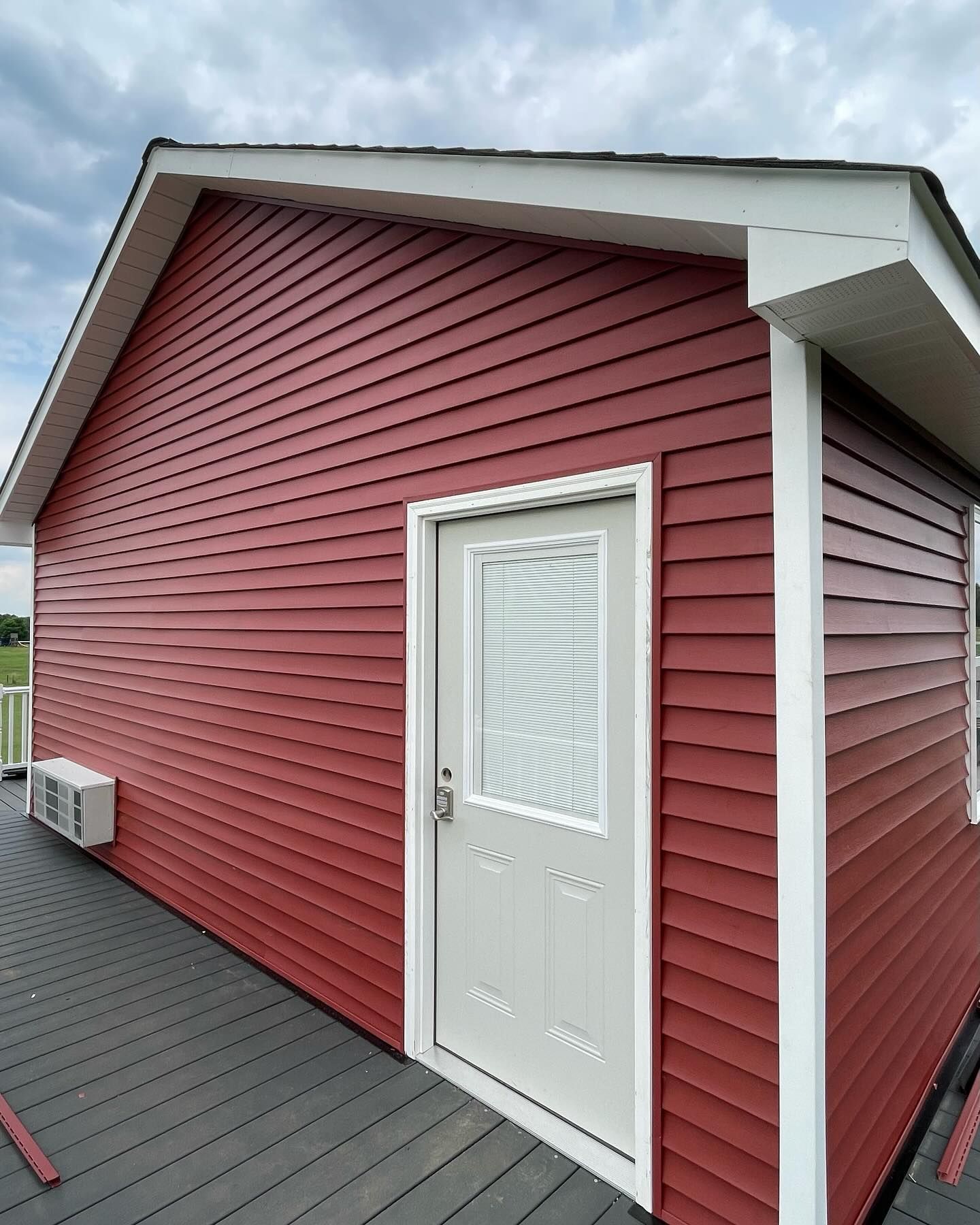
Property owners building detached garages or storage sheds face decisions about foundation types, framing methods, and door configurations that affect whether the structure handles its intended use for decades or develops problems within the first few years. Talon Home Renovations constructs specialty structures including detached garages, workshops, and storage sheds from the ground up in Taylors, SC, managing the complete scope from foundation excavation through final trim and door installation. These buildings serve distinct purposes—vehicle storage that protects against weather, workshop space with electrical capacity for tools, or dedicated storage that keeps seasonal items and equipment separate from the main home.
The work begins with site evaluation and foundation design based on soil conditions and intended load, since a structure storing lightweight seasonal items requires different footing depth than one supporting vehicles or heavy equipment. Framing follows residential building codes for wind resistance and snow load, and electrical service is sized for current needs with capacity for future expansion if the space will house power tools or vehicle chargers.
Request a structure planning consultation to discuss site requirements and design options for your specific storage or workshop needs.
What Standalone Structure Construction Involves
Construction starts with foundation installation—either a concrete slab poured after excavation and gravel compaction, or pier footings that support a raised floor system where grade slopes or drainage matters. Framing includes wall studs, roof trusses or rafters, and sheathing that creates the structural shell, followed by exterior finishing with siding and roofing materials selected to match or complement the main house. Door openings are framed to accommodate standard sizes for personnel doors and garage doors, with headers sized to carry roof loads without sagging. Electrical rough-in happens before insulation and interior finishing, allowing for outlets, lighting circuits, and dedicated circuits for equipment that draws significant amperage.
After construction, you'll notice a structure that remains square and plumb as it settles, with doors that open smoothly and roof overhangs that direct water away from the foundation. Interior spaces provide usable square footage without ceiling height restrictions or floor obstructions that limit equipment placement. Electrical outlets deliver power where needed rather than requiring extension cords run across work areas, and garage door operation is smooth without binding or loud mechanical noise indicating misaligned tracks.
Design choices depend on use—garage structures require larger door openings and stronger floors to support vehicle weight, while workshop buildings prioritize electrical capacity and interior finish that allows wall-mounted storage. Foundation type affects cost significantly, with slab-on-grade being most economical on level sites and pier foundations adding expense but providing better drainage and access to underfloor utilities.
Questions Before Starting Your Project
Homeowners throughout Taylors, SC, Anderson, SC, Greenville, SC, Spartanburg, SC, Simpsonville, SC, and Greer, SC, considering standalone structures often ask about site requirements and design decisions before committing to construction.
What determines whether a slab or pier foundation is appropriate?
Slabs work best on level sites with good drainage and stable soil, while pier foundations suit sloped lots or areas where drainage must flow beneath the structure—piers also allow easier access for future utility runs but cost more in labor and materials than pouring a slab.
How much electrical capacity does a workshop need?
A basic storage shed may only need lighting and a few outlets on a single 20-amp circuit, while a workshop running table saws, air compressors, or welding equipment typically requires a 60- to 100-amp subpanel with multiple dedicated circuits to prevent breaker trips when multiple tools run simultaneously.
When does a detached structure require permits and inspections?
Most jurisdictions including those in upstate South Carolina require permits for structures over a certain square footage or with electrical service, and inspections verify foundation work, framing, and electrical installation meet code before the building is enclosed—skipping permits creates problems during property sales.
Why do garage door openings need such large headers?
The header beam above a garage door carries the roof load across an opening that may span 16 feet with no intermediate support, requiring either a heavy engineered lumber beam or multiple dimensional lumber members fastened together to prevent sagging that binds the door.
What should I look for in a completed structure?
Walls and corners should form right angles when measured diagonally, roof planes should drain uniformly without low spots that pond water, doors should operate without binding, and siding should show consistent reveals without gaps at corners or around openings.
Talon Home Renovations, servicing Taylors, SC, Anderson, SC, Greenville, SC, Spartanburg, SC, Simpsonville, SC, and Greer, SC, handles site evaluation, permit applications, and construction sequencing for specialty structures, ensuring that foundation work, framing, and finishing meet structural requirements. Call (864) 520-7193 to begin planning a detached garage, workshop, or storage building designed for your property's layout and your specific use requirements.