
10+
Years Of Experience
Protection That Outlasts Seasonal Weather Cycles
Exterior Envelope: Siding, Roofing & Windows in Taylors, SC, for homes showing weather damage or energy loss through failing exterior components
Taylors, SC delivers temperature swings, ice storms in winter, and summer heat that degrades exterior materials through repeated expansion and contraction. Siding cracks, shingles lift, and window seals fail, allowing water intrusion and conditioned air loss that increase energy costs. Talon Home Renovations, servicing Taylors, SC, Anderson, SC, Greenville, SC, Spartanburg, SC, Simpsonville, SC, and Greer, SC, handles exterior envelope upgrades including fiber cement siding, metal and asphalt roofing replacement, and window installation, addressing the specific wear patterns seen in South Carolina climate where freeze-thaw cycles and UV exposure accelerate material breakdown.
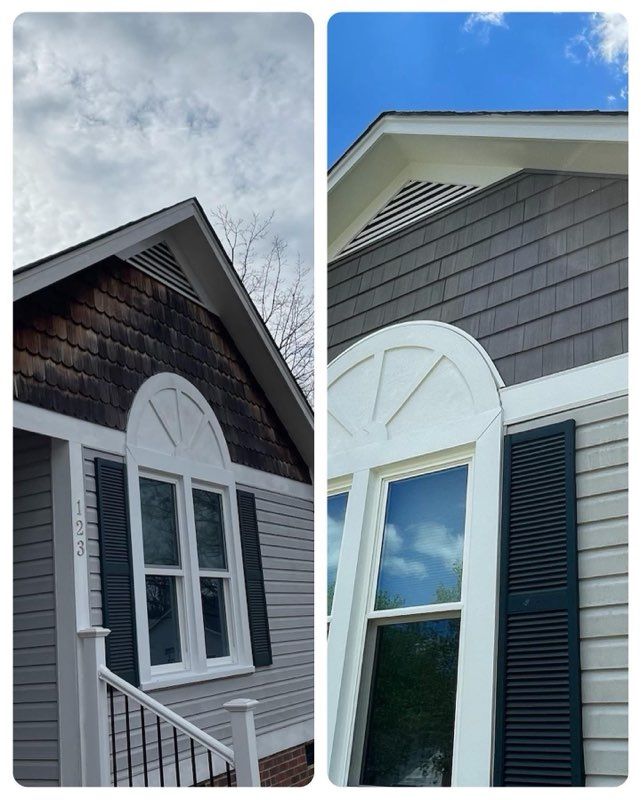
The work replaces compromised exterior layers—siding with visible rot or warping, roofing with missing granules or exposed underlayment, and windows with condensation between panes indicating seal failure. Each component is selected for durability in regional conditions: fiber cement resists moisture absorption during humid summers, metal roofing sheds ice without tearing, and properly flashed windows prevent the water intrusion common when installers skip secondary moisture barriers behind the window frame.
Request an exterior inspection to identify which components are compromising your home's weather protection.
How Exterior Envelope Replacement Addresses Weather Damage
Replacement begins by removing damaged materials down to sheathing and identifying any underlying rot or structural damage before new materials are installed. Window installations include removing interior and exterior trim, cutting back old nails, and inserting new units with continuous flashing tape that directs water away from the opening—details that separate installations that leak within two years from those that remain dry through decades of storms. Siding installation requires furring strips or foam board to create drainage planes behind the material, preventing trapped moisture that leads to sheathing rot.
After installation, you'll notice interior temperatures that remain stable without the furnace or air conditioner cycling constantly, exterior walls that no longer show water stains after rainstorms, and siding joints that remain tight through seasonal temperature changes. Energy bills typically decrease because conditioned air no longer escapes through gaps around old windows or through siding that has pulled away from the sheathing. The home's appearance shifts from visibly weathered to uniformly finished, with no missing shingles, faded siding panels, or windows fogged with failed seals.
Material selection depends on exposure—south-facing walls receive fiber cement or metal siding for maximum UV resistance, while roofing choices balance impact resistance for hail with the slope requirements for proper water shedding. The project includes underlayment replacement and flashing upgrades, not just the visible surface materials, because water intrusion typically occurs at transitions and penetrations rather than through the siding or shingles themselves.
Answers to Frequent Exterior Envelope Questions
Property owners in Taylors, SC, often ask about material performance and project logistics before committing to exterior work that affects the entire home.
What causes windows to fog between the panes?
The seal between dual-pane glass has failed, allowing moisture-laden air to enter the gap where it condenses when temperatures drop—a condition that cannot be repaired and requires full sash replacement to restore insulation value.
How does fiber cement siding compare to wood in upstate South Carolina?
Fiber cement absorbs far less moisture during humid summers and resists the rot and insect damage common in wood siding, though it requires different fastening techniques and cannot be face-nailed like traditional wood clapboards without cracking.
When should roofing be replaced rather than repaired?
Replacement becomes necessary when granule loss exposes the underlying asphalt across large areas, when multiple leaks indicate widespread underlayment failure, or when shingles have become brittle and crack when stepped on—conditions common in roofs approaching 20 years in the climate.
Why do exterior projects require such extensive prep work?
Water intrusion often causes sheathing damage hidden beneath siding or roofing, and installing new materials over compromised substrates leads to rapid failure—proper installation means removing enough material to verify that the structure beneath can support and seal the new envelope.
What indicates quality window installation?
The window should sit plumb and level with equal reveal on all sides, interior and exterior trim should show no gaps, and there should be no daylight visible around the frame when inspected from inside on a sunny day.
Talon Home Renovations evaluates existing exterior conditions during initial assessments, identifying damage that affects project scope and material selection. Arrange an estimate appointment to review your home's specific envelope needs and material options.