
10+
Years Of Experience
Unused Square Footage Made Functional
Conversion Spaces: Garages, Basements & Attics in Taylors, SC, for homes needing additional rooms without new construction
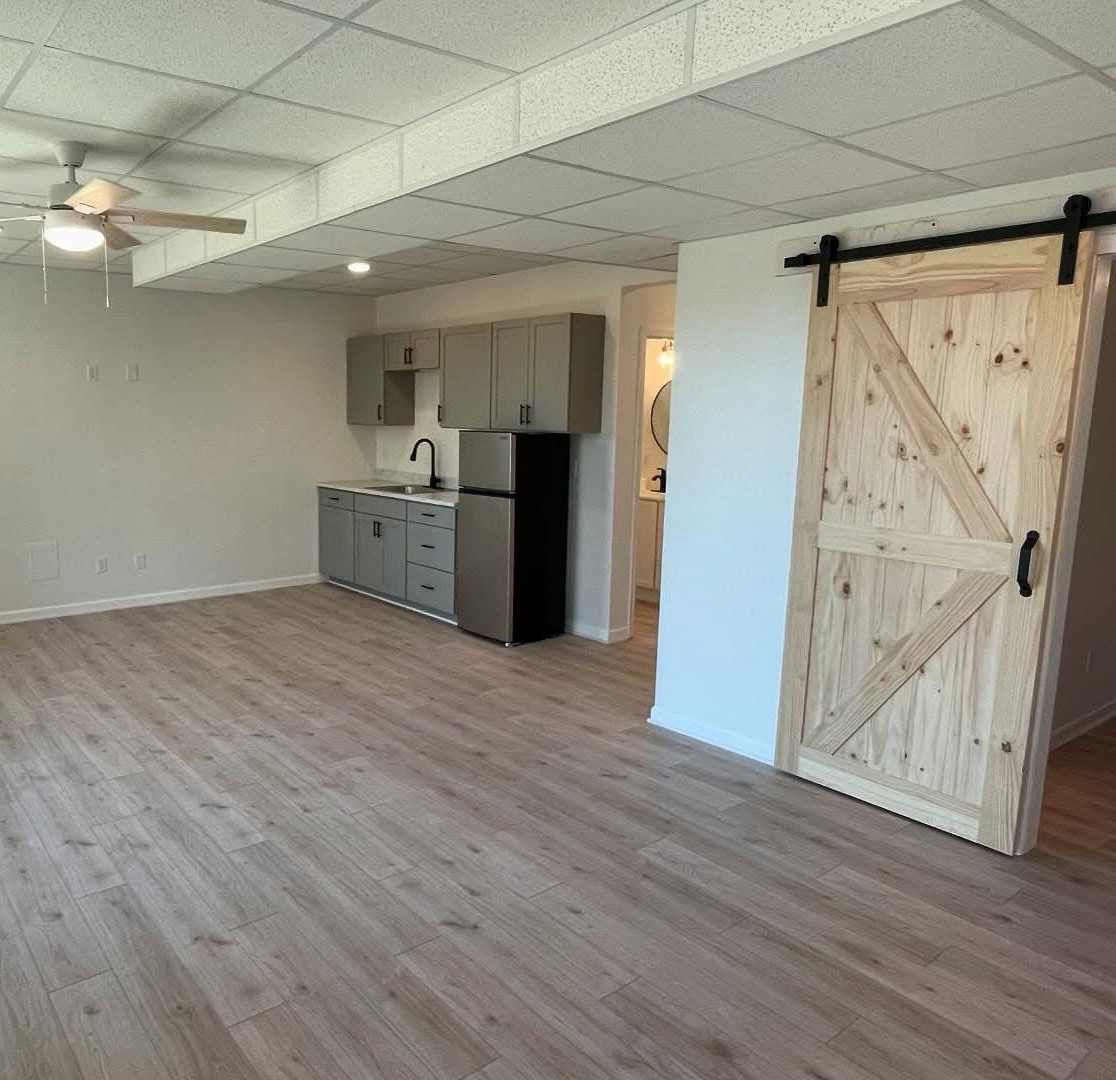
Garages filled with storage that could relocate to a shed, basements used only for laundry and holiday decorations, and attics with headroom that sits empty—all represent square footage you're already heating, cooling, and maintaining but not actually using as living space. Converting these areas into bedrooms, home offices, rental suites, or flexible workspace maximizes your existing footprint without the cost and permitting complexity of building an addition. Talon Home Renovations, which services Taylors, SC, Anderson, SC, Greenville, SC, Spartanburg, SC, Simpsonville, SC, and Greer, SC, handles the structural adjustments, insulation upgrades, HVAC extensions, and finish work required to turn unfinished or underused spaces into rooms that function as well as the rest of the home, which matters particularly for families needing home offices after remote work became permanent or for homeowners considering accessory rental income from a finished basement suite.
Conversion projects involve insulating exterior walls and rim joists to meet thermal performance standards, extending ductwork or adding mini-split systems to condition the new space, installing egress windows in basement bedrooms to meet code requirements, and finishing walls, ceilings, and flooring to match the quality level found elsewhere in the home. Garage conversions additionally require replacing the overhead door with framed wall and windows, while attic build-outs often include reinforcing floor joists and adding stairway access.
Request a conversion project evaluation to assess your garage, basement, or attic for structural feasibility and discuss uses that fit your household's needs.
What Converting Underused Space Actually Accomplishes
Basements and attics often lack proper insulation, which means any finished space in those areas will feel cold in winter and hot in summer unless insulation upgrades happen before drywall installation. Spray foam insulation applied to basement rim joists stops the air leaks that make finished basements drafty, while attic conversions require insulating the roofline instead of the attic floor to bring the space inside the building's thermal envelope. HVAC extensions ensure that converted spaces receive adequate heating and cooling, which prevents the new room from becoming unusable during temperature extremes.
After conversion completes, you'll have a dedicated room that serves a specific function—a home office with door that separates work from household activity, a guest bedroom that doesn't displace your own routines, or a rental suite with separate entrance that generates monthly income. These spaces feel integrated with the rest of the home rather than reading as unfinished or temporary, with trim details, flooring, and lighting that match the quality homeowners expect in primary living areas. Converting existing square footage also avoids the yard space loss and setback complications that additions create, which matters on smaller lots where building out isn't feasible.
Conversions increase home value by adding finished square footage that appraisers count in total living area calculations, and they provide flexibility for changing household needs—the home office becomes a nursery, the guest room converts to exercise space, the basement suite transitions to caregiver quarters. The work also addresses deferred maintenance in areas homeowners often ignore, replacing outdated electrical panels, fixing moisture intrusion, and upgrading insulation that reduces energy costs throughout the home.
Frequent Questions About Space Conversions
Converting garages, basements, and attics into functional living areas involves considerations about codes, systems, and how the space will perform long-term.
What structural changes are needed for attic conversions?
Floor joists in unfinished attics are often sized only for ceiling loads, not live loads from occupancy and furniture, so conversions may require sistering additional joists or installing engineered beams to support the increased weight without causing ceiling sag in rooms below.
How do egress requirements affect basement bedroom conversions in Taylors, SC?
Building codes require bedrooms to have at least one window large enough for emergency escape, which means basement conversions often include cutting window wells and installing larger windows that meet minimum opening dimensions.
What happens to garage door openings during conversions?
The overhead door and track system are removed, and the opening gets framed with studs, insulated, and finished with drywall and exterior siding that matches the home, with windows added to provide natural light and maintain curb appeal.
How does moisture control work in basement conversions?
Properly converted basements include perimeter drainage systems if water intrusion is present, vapor barriers on concrete walls before framing, and dehumidification systems that prevent mold growth in below-grade spaces where humidity naturally accumulates.
What HVAC options work best for attic spaces?
Mini-split heat pumps provide efficient heating and cooling without requiring ductwork extensions through finished areas, and they allow independent temperature control so the converted space doesn't affect comfort in the rest of the home.
Talon Home Renovations completes garage, basement, and attic conversions that add functional living space without expanding your home's footprint or requiring complex permitting processes. Call (864) 520-7193 to schedule an evaluation and discuss how converting underused areas meets your household's changing needs while increasing overall property value.